
Delicate skin can be very tough to protect when you go outside. However, no matter your age, there are several tips and tricks you can use to not only protect your skin, but to leave it feeling better than ever.
Start with the Bath/Shower
Before applying children’s sunscreen to your child or dressing them appropriately, protecting delicate skin starts with the soap or body wash your child uses when bathing. Simply put, both soaps and body washes can contain irritants that can leave the skin red, rashy, itchy, or all three.
Because of this, opt for natural or irritant-free soaps and body washes. Even if your child hasn’t had any reactions before, their skin will be delicate when they’re young.

Avoid Using Irritants
Building on the last points, there are some creams, lotions, etc, that you think are fine for your child to use, but even if they contain very mild irritants that don’t bother your skin, they can cause irritation on your child’s delicate skin.
For instance, if you have a young son going through puberty and they needs to use deodorant, many of them can severely irritate their skin. Instead, once again, look for natural or chemical-free products for your children to use instead.
Wear Sunscreen
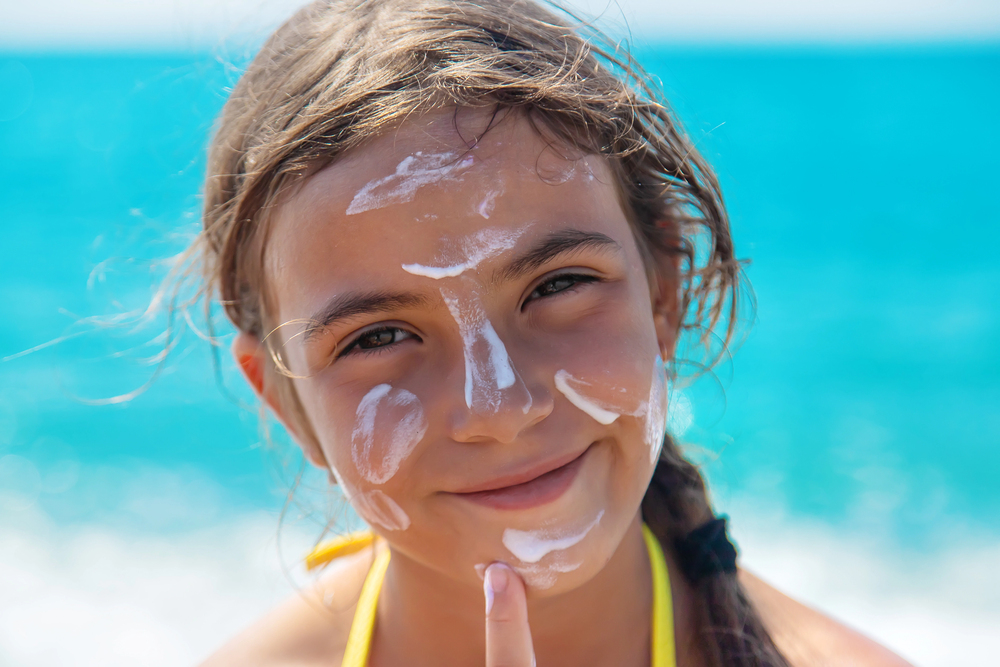
Unless it is the dead of Winter and there is a ton of cloud cover, your children should be wearing sunscreen every time they go outside, especially if they have super-sensitive skin to begin with.
Even the mildest burn can cause long-term discomfort and damage, and if your child has very sensitive skin, the discomfort can be even worse, leading to blisters or similar symptoms.
Wear Loose but Protective Clothing
While this doesn’t quite apply to clothing in the depths of Winter, as you have to layer, in Summer, have your children wear loose, but highly protective clothing. First off, loose clothing will prevent any uncomfortable skin rubbing, especially if they are experiencing a flare-up.
Secondly, you need to be sure that the clothing your children are wearing also protects them against the sun and sunburn. Therefore, T-shirts, for example, bought in a size or two bigger than what your child needs are always a great choice.
Wear Gloves in Winter
Speaking of Winter, one thing many parents sometimes forget is to give their children gloves, especially if it is icy and frosty outside. The skin on your hands is very sensitive, no matter your age, and icy cold conditions can severely dry them out.
Even worse, if you have very sensitive skin, this dryness can cause your knuckles to crack and sometimes bleed. Because of this, apply a thin layer of moisturizer to your children’s hands, and then put on their gloves when you’re heading outdoors.

Keep Hydrated
One of the best ways to protect your skin, no matter the conditions, is to stay hydrated. When you don’t drink enough water, your skin becomes very dry very quickly, and small things like weather changes, exposure to irritants, etc., have worse effects.
Because of this, be sure to keep your child hydrated by encouraging them to drink enough water while you are out and about. Having a large water bottle on hand is the best option, and don’t rely on drinks like soda, milkshakes, etc, as they don’t and won’t do the same job as water.
Avoid Extreme Weather
No matter the time of year, when it comes to delicate skin, it is always better to stay at home than to go out in extreme weather. Whether this is very hot or very cold temperatures, staying at home is better than going out.
If you and your child do need to go out in extreme weather, take the above precautions and be extra vigilant when it comes to protecting your child’s skin. For instance, in extreme heat, take an umbrella with you so you always have something to provide shade when you need it.

Soothe Skin After Sun Exposure
If your child is exposed to extreme sun and their skin reacts, try to soothe it as soon as possible. The best option is aloe vera, as it is naturally occurring and most aloe vera-based aftersun care doesn’t include many other ingredients.
Furthermore, when bathing your child, use cool to lukewarm water, not hot, as hot water can burn the now-sensitive skin, causing it to itch and be even more uncomfortable for your child.
Clean After Being Exposed to Irritants
Lastly, extreme cold or sun exposure aren’t the only things that can irritate delicate skin. Pollen and some plants can also cause itchiness and breakouts, even if you just brush past them and they are in contact with your skin for a few milliseconds.
Because of this, it is best to bathe your child the moment you get home from a long day out and about. Put them in fresh clothes, and also wash the clothes they were wearing, as this will ensure you remove all the irritants that can cause discomfort.
Image Credit: depositphotos.com