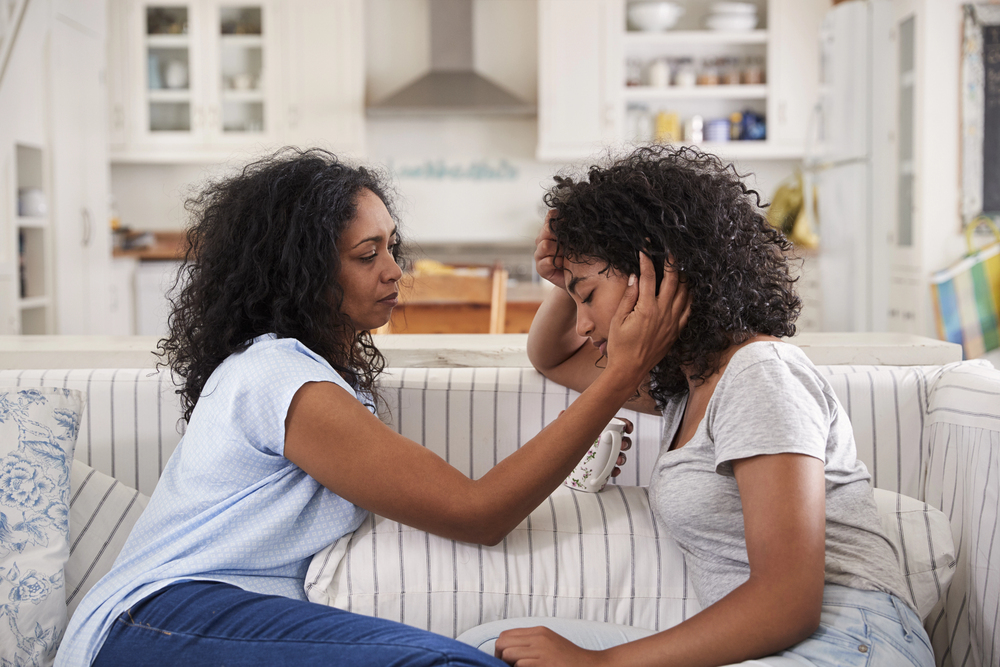
When a teenager experiences trauma, the effects can show up in many different ways. Post-traumatic stress disorder (PTSD) affects how teens think, feel, and respond to everyday situations. Parents and caregivers play a necessary role in helping teens recover from trauma by creating a safe environment, learning to recognize symptoms, and connecting them with proper support.
Understanding what PTSD looks like in teenagers is the first step toward helping them heal. Teens might withdraw from activities they once enjoyed, struggle with anger or anxiety, or have trouble sleeping. These reactions are the brain’s way of trying to process a frightening or overwhelming experience.
The good news is that with the right approach, teens with PTSD can recover and build resilience. This guide explores how to spot the signs of trauma, what parents can do at home to support their teen, and when professional help becomes necessary. Recovery takes time, but informed and supportive caregivers make a real difference in a teen’s healing process.
Recognizing and Understanding Teen PTSD
PTSD in teenagers develops when trauma overwhelms their ability to cope, leading to lasting symptoms that affect their emotions, behavior, and daily functioning. Understanding what causes teen PTSD, how to spot the warning signs, and what impact it has on development helps parents and caregivers provide the right support at the right time.

What Is PTSD in Teens and How It Develops
PTSD is a mental health condition that occurs after a person experiences or witnesses a traumatic event. For teenagers, this condition develops when their brains cannot properly process what happened to them. The trauma gets stuck in their memory and continues to affect them long after the event ends.
Teen brains are still developing, especially the parts that manage emotions and stress. This makes adolescents more vulnerable to trauma’s effects. When a traumatic experience happens during these years, it can disrupt normal brain development and change how teens respond to stress.
The condition doesn’t always appear right away. Some teens show symptoms within days, while others may not display signs until months later. This delayed reaction makes it harder for parents to connect their teen’s current struggles with past events.
The Impact of Teen PTSD on Daily Life and Development
PTSD affects nearly every part of a teenager’s life. Academic performance often drops because trauma symptoms make it hard to concentrate, remember information, or complete assignments. Many teens with PTSD miss school frequently or avoid school altogether.
Social relationships suffer as teens withdraw from friends and activities. They may struggle to trust others or feel disconnected even in group settings. This isolation can lead to loneliness and worsen other symptoms.
Physical health impacts include:
- Sleep problems and chronic fatigue
- Headaches and stomachaches
- Weakened immune system
- Changes in appetite
Mental health complications develop when PTSD goes untreated. Depression occurs in many teens with PTSD, and anxiety disorders often develop alongside trauma symptoms. Some teenagers turn to drugs or alcohol to numb their pain. The risk of self-harm and suicidal thoughts increases significantly without proper intervention.
Brain development can be altered by ongoing trauma symptoms. The stress of PTSD affects areas responsible for learning, memory, and emotional regulation. Early help for teens with PTSD prevents these long-term developmental impacts and supports healthier brain maturation.
Family dynamics change as well. Parents may feel confused or frustrated by their teen’s behavior. Siblings might feel neglected or scared. The entire household can become tense and unpredictable. Professional support helps families understand these changes and respond in ways that promote healing rather than conflict.

Common Causes and Triggers of Trauma in Adolescents
Several types of experiences can lead to PTSD in teenagers:
Direct traumatic events:
- Physical abuse or assault
- Sexual abuse or assault
- Serious accidents or injuries
- Natural disasters like earthquakes or floods
- School violence or active shooter situations
Witnessed trauma:
- Seeing violence against others
- Witnessing domestic violence at home
- Observing a serious accident
- Being present during community violence
Loss and grief:
- Sudden death of a loved one
- Loss of a parent or sibling
- Traumatic separation from family
Bullying and cyberbullying can also cause trauma, especially when severe or ongoing. Medical trauma from serious illness or repeated hospital stays affects some teens as well. Research shows that about 15% of teenage girls and 6% of teenage boys who experience trauma will develop PTSD.
Key Symptoms and Signs of PTSD in Teenagers
Teen PTSD symptoms fall into four main categories that parents should watch for.
Re-experiencing symptoms include flashbacks, where teens feel like the trauma is happening again. They may have nightmares about the event or get very upset when something reminds them of what happened. Physical reactions like sweating or rapid heartbeat can occur with these memories.
Avoidant behaviors appear when teens actively avoid reminders. They might avoid certain places, people, activities, or conversations related to the trauma. Some teens stop talking about what happened entirely or claim they cannot remember important details.
Negative thoughts and feelings often worsen over time. Teens may blame themselves for the trauma or develop negative beliefs about themselves and others. They might feel detached from family and friends, lose interest in activities they once enjoyed, or struggle to feel positive emotions.
Arousal and reactivity changes make teens seem constantly on edge. Warning signs include being easily startled, feeling tense or angry, having trouble sleeping, taking dangerous risks, or showing aggressive behavior. These teens may seem hypervigilant, always watching for threats.
Teenagers sometimes show unique symptoms that differ from adults. They may act younger than their age, become overly clingy with parents, or develop new fears. Some teens show their distress through anger and rebellion rather than sadness or fear.

Effective Support Strategies for Parents and Caregivers
Parents and caregivers play a necessary role in helping teens recover from PTSD through consistent communication, structured routines, professional treatment, and self-care practices. Research shows that caring, consistent adults in a teen’s life serve as a protective factor against the impact of trauma.
How to Build Trust and Maintain Open Communication
Open dialogue about traumatic experiences helps teens process what happened. Parents should create space for conversations when the teen brings up the event or seems to be thinking about it.
Letting the teen lead the conversation allows them to work through their feelings at their own pace. Parents can listen and answer questions in age-appropriate ways while providing comfort. Teens do not benefit from avoiding discussion about trauma or trying to “put it out of their minds.”
It helps when parents share their own emotions during these talks. For example, a parent might say, “I feel sad about what happened to you because I care about you.” This approach increases emotional literacy and normalizes feelings for the teen.
Staying calm during discussions is important. If a teen senses their parent is too upset about the event, they may stop talking about it. This can make recovery harder.

Setting Healthy Boundaries and Providing Structure
Predictable routines help teens with PTSD feel safe after traumatic events disrupt their sense of security. Parents can work with their teen to create a daily schedule and post it somewhere visible in the home.
Giving teens choices in small decisions helps them regain a sense of control. Options might include:
- Picking out clothes for the day
- Choosing their snacks
- Selecting activities during free time
- Deciding the order of homework tasks
Structure should be balanced with flexibility. Teens need consistency but also understanding when PTSD symptoms like anxiety or flashbacks make it hard to follow the usual routine.
Trauma-Focused Therapy and Evidence-Based Treatments
Trauma-Focused Cognitive Behavioral Therapy (TF-CBT) is one of the most effective treatments for PTSD in children and teens. A trained therapist, such as a psychologist, social worker, or counselor, provides this specialized care.
TF-CBT helps teens understand and manage their moods and feelings related to the trauma. The therapy teaches coping skills and helps process traumatic memories in a safe environment. Some teens benefit from a combination of trauma-focused therapy and medication.
Parents should seek professional help if their teen shows signs of PTSD for several months after a traumatic event. Warning signs include nightmares, avoiding reminders of the trauma, mood changes, and trouble concentrating.
Immediate help is needed if a teen expresses thoughts about self-harm or suicide. Parents should call 911, visit the nearest emergency department, or contact the 988 Suicide and Crisis Lifeline.

Caring for Yourself While Supporting Your Teen
Parents of teens with PTSD often experience high levels of anxiety and depression themselves. Taking care of parental mental health directly impacts the ability to support a teen’s recovery.
Self-care practices include getting enough sleep, maintaining social connections, and seeking support from other adults. Parents may benefit from their own therapy or joining support groups for caregivers of teens with trauma.
Setting realistic expectations helps prevent burnout. Recovery from teen PTSD takes time, and progress may not be linear. Parents cannot fix everything, but their consistent presence makes a difference.
Asking for help from family members, friends, or professionals reduces the burden on any one caregiver. Community and family support are the main protective factors for teen mental health.
Conclusion
Supporting a teen with PTSD requires patience, understanding, and the right resources. Parents and caregivers play a key role in their teen’s recovery by creating a safe environment, maintaining open communication, and seeking professional help when needed.
Key steps include:
- Learning about PTSD symptoms and triggers
- Working with mental health professionals to find appropriate treatment
- Practicing grounding techniques and coping strategies at home
- Maintaining routines while showing compassion for setbacks
With proper support and evidence-based treatment options like trauma-informed therapy and EMDR, teens can heal and develop healthy coping skills. Professional guidance combined with family support gives teens the best chance at managing their symptoms and moving forward in their recovery journey.