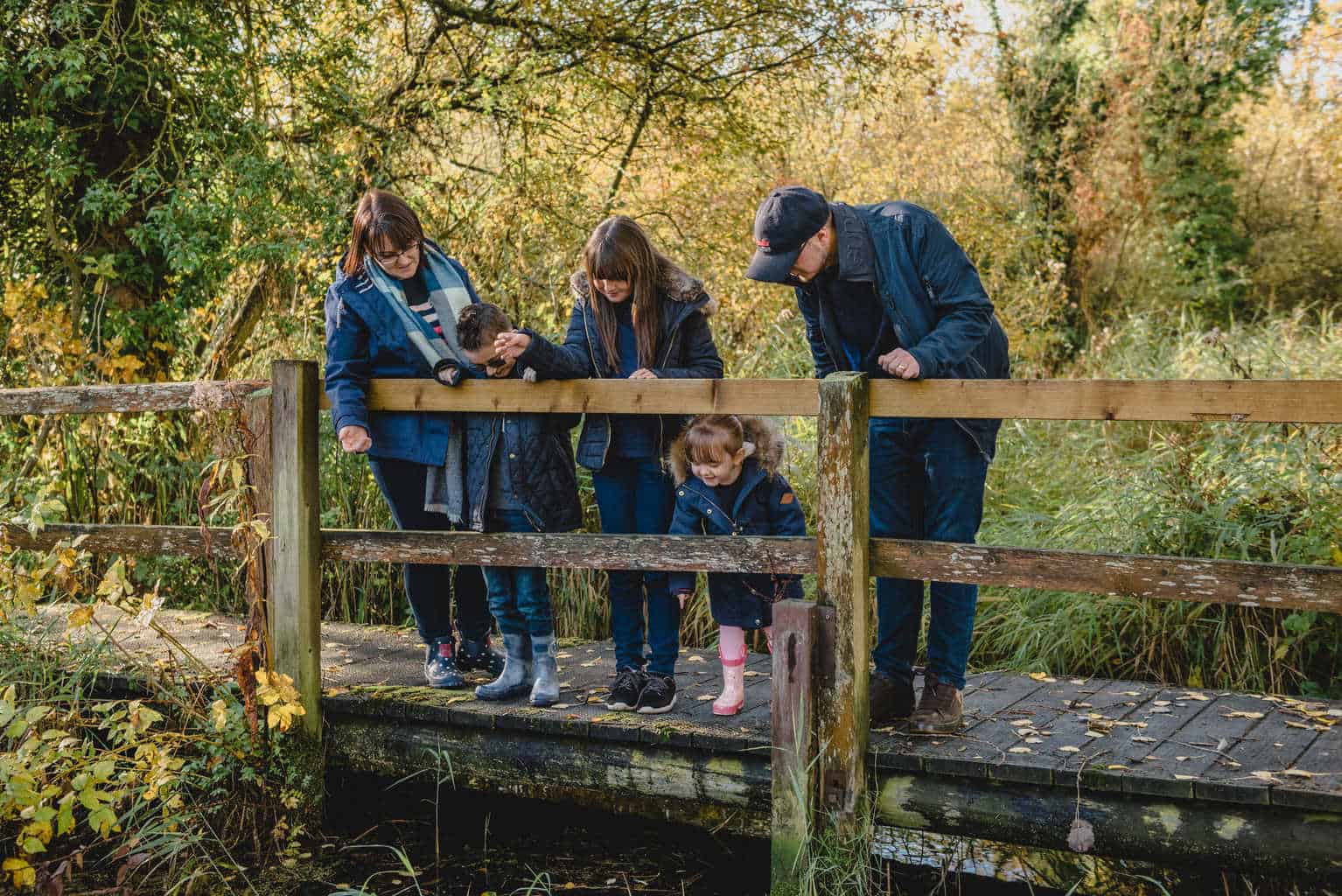
Creating a garden that welcomes wildlife can transform an ordinary outdoor space into a thriving environment that children find fascinating. Gardens buzzing with bees, butterflies moving between flowers, and birds calling from nearby trees naturally spark curiosity. These wildlife-friendly spaces provide children with the opportunity to connect with nature right on their doorstep.
The appeal of a child-friendly wildlife garden lies in its simplicity and manageability for families. Adding a small pond or grouping native flowers offers easy ways to encourage wildlife. Providing sheltered spots for animals gives children a reason to keep exploring and observing what appears in the garden.
As children dig, plant, or watch wildlife, they grow comfortable outdoors and begin to see the wildlife garden as a place for both play and discovery.
Creating Safe Wildlife Habitats in Family Gardens
Wildlife gardens bring clear benefits for nature and children alike. As urban areas expand, gardens play an increasingly important role in supporting local wildlife. With thoughtful planting and carefully planned habitats, family gardens can become valuable refuges for birds, insects, and small mammals.
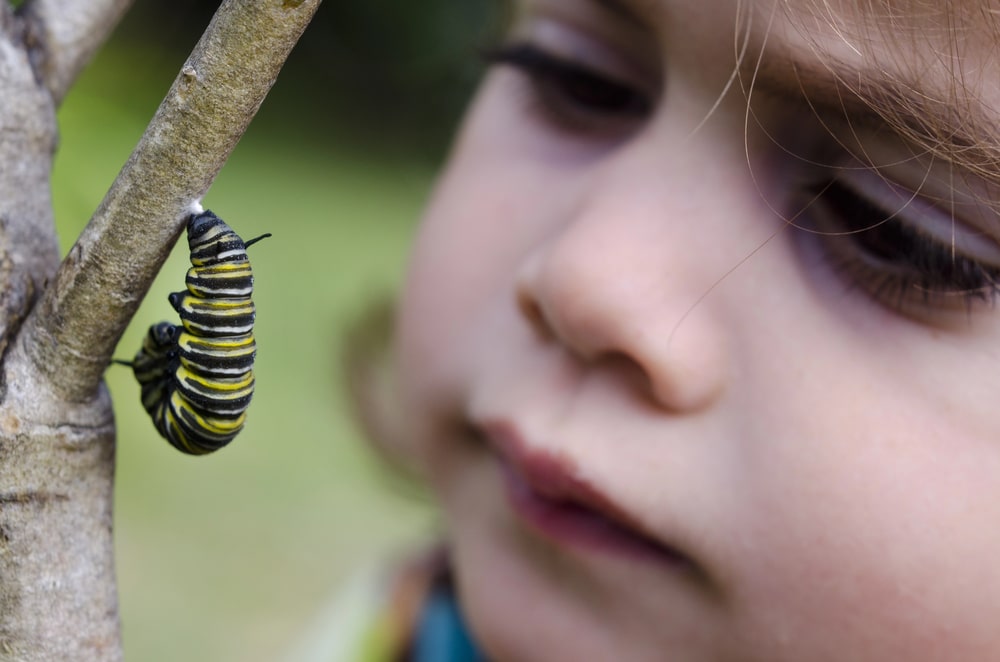
Regular time spent in these spaces encourages active play and hands-on learning. Watching a bee move between flowers helps build observation skills, while digging in soil improves coordination. These activities also introduce children to responsibility and care for living things.
Safety should always guide garden design where children are involved. Choosing non-toxic plants and clearly marking features such as ponds helps reduce risks. Sturdy paths, defined planting areas, and supervised gardening tasks all contribute to a safer outdoor environment.
When adding new plants, sourcing them carefully matters. Families often choose to make things easier by buying outdoor plants online, allowing them to select suitable varieties in advance and plan planting around their garden layout. This approach helps ensure plants are appropriate for children, wildlife, and local growing conditions.
For families looking to build confidence before tackling larger garden projects, outdoor container planting can be a useful starting point. Children can help care for patio pots or raised planters, practising watering routines and learning how plants respond to sunlight, rainfall, and seasonal changes.
Child-Friendly Plants That Attract Wildlife
Plant choice forms the foundation of a successful wildlife garden. The best options attract insects and birds while remaining safe for curious children. Avoid plants with toxic properties or sharp thorns in areas where children play, as these can lead to accidental injuries.
Common problem plants include foxglove, yew, laburnum, and heavily thorned roses. Always check plant labels or reliable gardening guides before planting. If unsuitable plants are already present, move them away from play areas and replace them with safer alternatives such as sunflowers or lavender.
Sunflowers are particularly popular with young gardeners. Sow seeds directly into loose soil once frost risk has passed. Children enjoy planting the large seeds and watching seedlings appear quickly. Place sunflowers in a sunny, sheltered spot where they have room to grow.
Once established, sunflower heads attract bees and butterflies, and later provide seeds for birds. Some families plant sunflowers along fences to create a living screen that also encourages wildlife visits.
Lavender is another excellent choice for family gardens. It thrives in sunny positions with well-drained soil and attracts bees throughout summer. Children can help with watering during dry periods and gently explore the scent of the leaves and flowers under supervision.
Getting Kids Involved with Planting Pollinator Havens
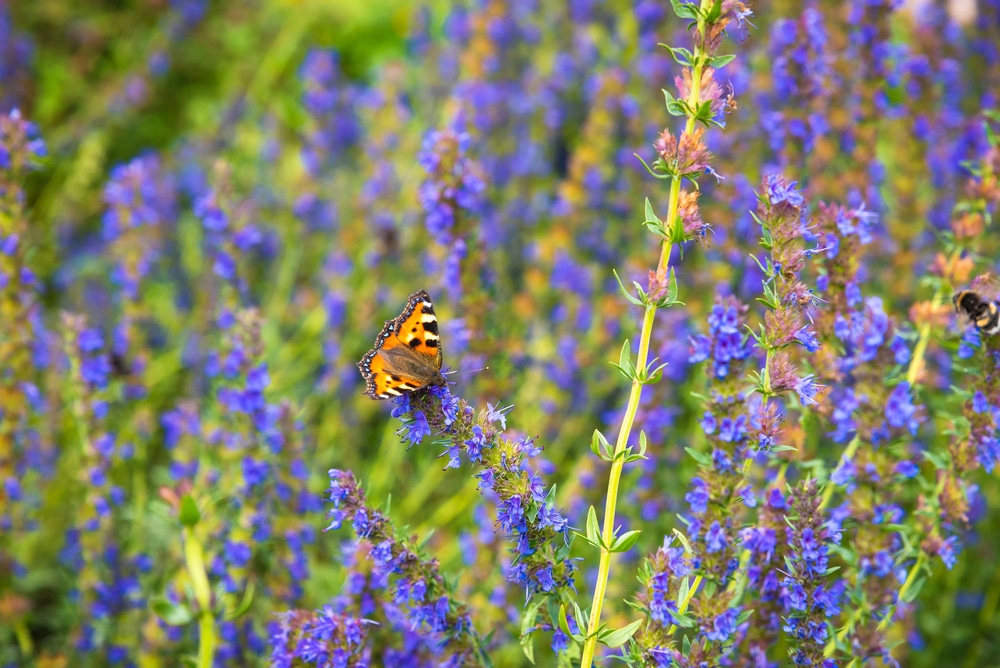
Supporting pollinators while involving children creates a wildlife garden that benefits everyone. Nectar-rich plants such as cornflowers, cosmos, and borage provide reliable food sources for bees and butterflies. Position these plants in sunny areas close to paths or seating so children can observe insect activity safely.
Simple identification charts designed for children help them recognise common pollinators. Show children the best times of day to watch insects and explain how quiet observation helps wildlife continue feeding undisturbed.
Younger children can water plants using small watering cans, aiming water at the base rather than the flowers. Older children may enjoy learning how to deadhead faded blooms to encourage further flowering. Demonstrate carefully before allowing them to try.
As flowers fade later in the year, children can help collect seeds. Guide them to shake ripe seed heads onto paper or into containers gently. Seed-saving introduces children to plant life cycles and prepares the garden for future planting.
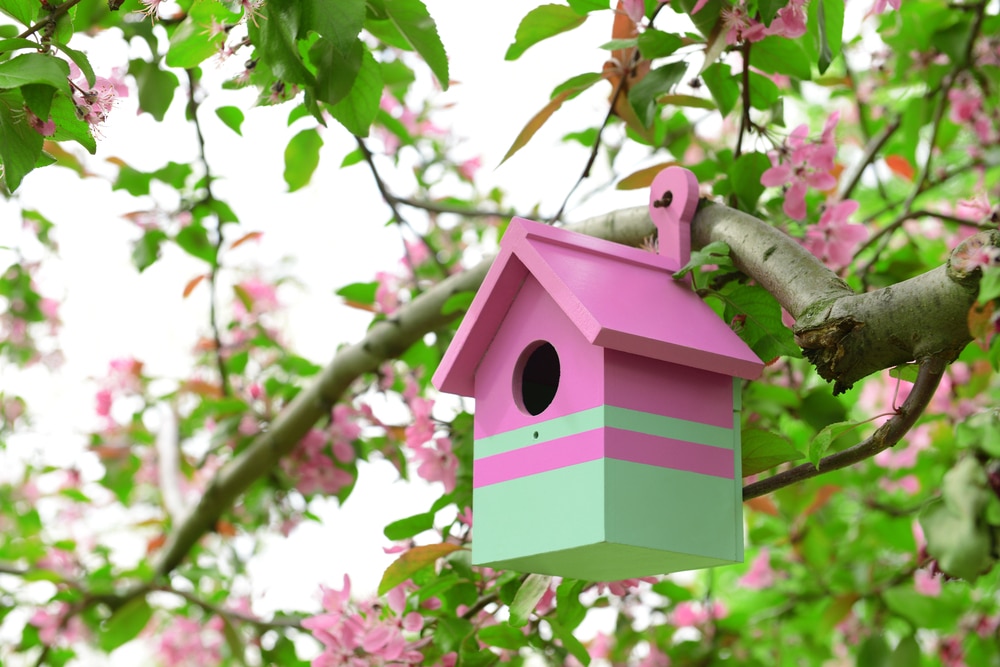
Creating Dedicated Wildlife Zones
A well-balanced wildlife garden separates active play spaces from quieter areas where animals can thrive. Designate “look but don’t touch” zones using natural boundaries such as stepping stones, logs, or low-growing herbs.
Introducing simple insect identification charts in outdoor areas helps children recognise garden visitors. Use photographs from trusted UK wildlife organisations and display them at child height on fences or tables. This approach reduces fear by making insects familiar and easier to identify.
Bird feeding stations also provide excellent observation opportunities. Place feeders where children can watch safely from indoors or designated viewing spots. Different seed types attract different species, creating opportunities for learning and simple games.
Wildlife Viewing Spots for Young Explorers
Dedicated viewing areas turn wildlife observation into an engaging activity. Willow dens or simple hide structures provide sheltered places where children can watch birds and insects without disturbing them.
Provide child-sized equipment such as magnifying glasses, small binoculars, and notebooks. These tools encourage careful observation and help children record what they see, supporting curiosity and early scientific thinking.
Activities can be adapted by age. Younger children may count butterflies or identify colours, while older children can use guides to identify species. This flexibility keeps the garden engaging as children grow.
Seasonal Wildlife Gardening Activities for Families
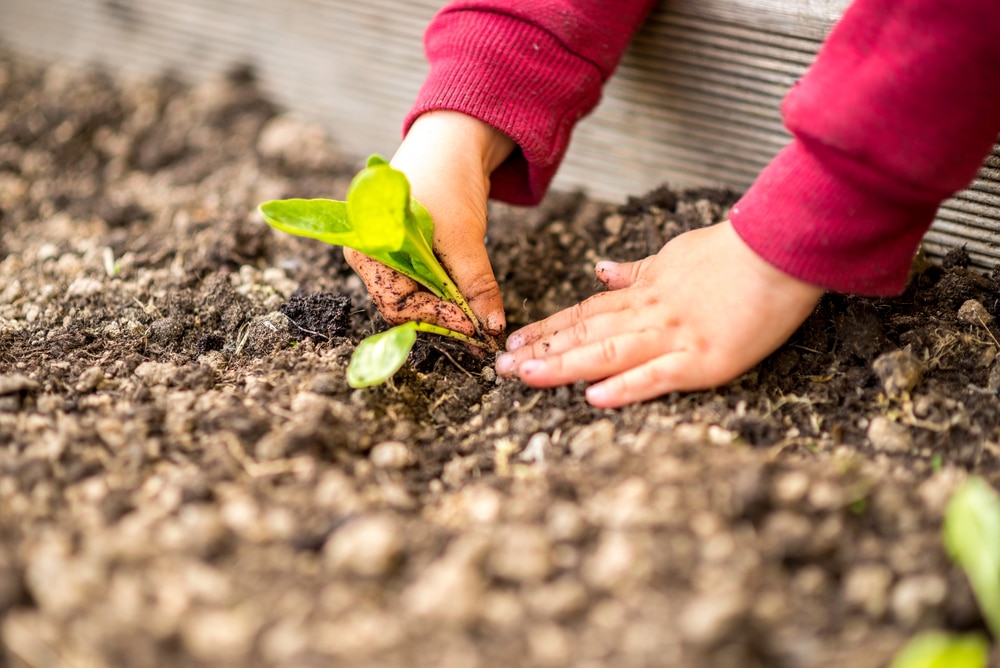
- Spring offers ideal opportunities for family planting projects. Children can sow sunflower seeds, prepare soil for wildflowers, or plant pollinator-friendly beds. These activities support learning about growth and life cycles.
- Summer brings peak wildlife activity. Families can track butterfly visits or count bees on different flowers, helping children recognise patterns and seasonal change. Many national wildlife projects welcome observations from home gardens.
- Autumn focuses on seed collection and preparation for the following year. Gathering seeds from sunflowers and cosmos gives children hands-on experience with plant reproduction and planning.
- Winter remains important for wildlife support. Making bird feeders from pine cones and seeds helps birds through colder months while teaching children about seasonal needs and care.
Creating shared experiences with a wildlife garden
Developing a wildlife garden that welcomes children creates valuable habitats while encouraging curiosity, responsibility, and outdoor learning. These shared experiences help nurture a lasting connection with nature and benefit both families and local wildlife.
Image Credit: depositphotos.com