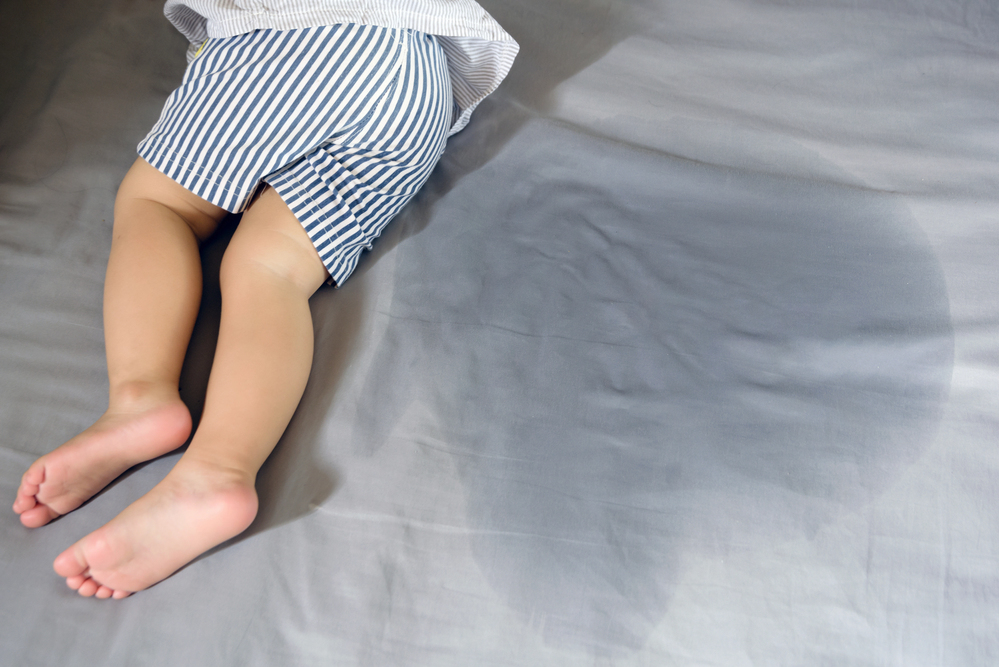
Bedwetting after the age of five can feel like one step forward, two steps back — especially when everyone’s tired and the washing pile never ends. The tricky bit is that bedwetting isn’t always about “trying harder”. Sometimes it’s about routines, sometimes it’s about how deeply your child sleeps, and sometimes it’s a sign you need a bit more support.
In this post, we’ll cover:
- what’s typical after age five (and what isn’t),
- easy changes to try at home first,
- sleep and breathing signs that are worth noting before you speak to a GP.
Bedwetting after five is common, but it feels huge
Bedwetting can be exhausting and frustrating — for your child and for you. But it’s also common, especially among younger school-age children, and it’s rarely about laziness or poor parenting. Children develop bladder control at different rates, and many factors can affect that.
If your child is five or older and still wetting the bed more than a couple of times a week, it might be time to sense-check what’s going on. There’s no need to panic, but it’s worth keeping an eye on patterns and having a conversation with your GP or school nurse if you’re unsure.
A quick ‘is this normal?’ sense-check
- Bedwetting at 5–7 is still common.
- It can run in families.
- Stress, tiredness or constipation may trigger flare-ups.
- A child may relapse after a dry period (especially after holidays or illness).
- Boys tend to outgrow it later than girls.
For more on what’s typical and when to seek help, see the NHS guidance on bedwetting in children.
Start with daytime hydration and a calmer bedtime routine
Small changes can ease pressure and support dry nights. Starting earlier in the day often helps more than what you do just before bed.
Encourage your child to drink water regularly through the day, with toilet trips spaced naturally — not rushed or held. Try to reduce the size of any drinks after dinner without banning them altogether.
At bedtime, a simple, familiar wind-down routine can make a big difference. That includes going to the toilet before bed, using a nightlight if they wake easily, and making sure the route to the toilet is safe and clear.
If you’re looking for inspiration, check out these good bedtime habits for kids — they’re easy to tweak to your child’s age and needs.
Praise effort, not just results. If your child manages their routine well, try a small sticker chart or an encouraging note. Keep language neutral and shame-free — no blaming or teasing.
Try this tonight
- Toilet before lights out
- Nightlight near bed and hallway
- Spare PJs in easy reach
- Waterproof sheet and extra bedding
Try this over a week
- Same bedtime and wake-up time
- Water bottle during the day
- Fibre to avoid constipation
- Calm, positive bedtime chat

Poor sleep can make everything harder for kids
It’s easy to overlook sleep quality, especially if your child seems to fall asleep quickly. But restless nights can have a big impact — not just on energy levels, but also on bladder control and mood.
Signs like frequent waking, night sweats, tossing and turning, or very early wake-ups might point to disturbed sleep. You might also notice daytime effects: grumpiness, headaches or low focus at school.
Breathing during sleep matters, too. If your child snores regularly, breathes through their mouth, or seems to gasp or snort during sleep, it could be affecting their ability to rest deeply. This doesn’t mean there’s something serious going on — but it’s worth tracking.
One simple thing you can do is gently jot down what you notice for a week or so. This can help you spot patterns and give your GP a clearer picture later.
Sleep signs worth jotting down
- Night sweats or overheating
- Very deep sleeper; hard to wake
- Irritable in the mornings
- Headaches or dark circles
Breathing signs worth mentioning to a GP
- Loud or frequent snoring
- Mouth open when sleeping
- Pauses in breathing
- Daytime sleepiness or hyperactivity
If you want help setting the scene for sleep, here are a few ways to reduce sleep disturbances you can try at home.
You might also find the NHS overview of sleep apnoea helpful — especially if your child’s snoring is regular or you’re unsure what’s normal.
For some children, breathing and bedwetting can connect
Some kids sleep so deeply that they simply don’t wake when they need to wee. In other cases, breathing difficulties during sleep — like obstructive sleep apnoea — can disrupt the usual hormonal signals that control urine production at night.
That doesn’t mean your child has a medical condition. It just means sleep and breathing might be part of the bigger picture, especially if you’ve already tried routines and rewards without much change.
If your child snores often, wakes unrefreshed, or has other breathing clues alongside bedwetting, it’s worth raising that with your GP. Things like large tonsils, adenoids or allergies can sometimes contribute.
You’ll also find tips to help sleep apnoea that are gentle and practical — from sleep posture to small lifestyle tweaks.
If you’d like a deeper read on the science behind this idea, here’s the possible link between bedwetting and sleep apnoea in kids. It’s worth a look if you’re curious — no action needed unless things persist.
A quick ‘could this be us?’ mini-check
- Bedwetting continues despite routines
- Frequent snoring or open-mouth sleeping
- Very hard to wake from sleep
- Often tired during the day
- Regular sore throats or nasal congestion

A simple GP chat can save months of guessing
You don’t have to figure this out alone. Many families wait longer than they need to because they’re worried it’s “too soon” or “just a phase”. But if bedwetting is ongoing and your child is feeling upset or embarrassed, a chat with your GP or school nurse can really help.
They might ask you about toilet habits, sleep quality, family history and any changes at home or school. Having a few notes on hand can make that conversation quicker and calmer.
Your 7-day note list
- Times of wet nights
- Toilet trips before bed
- Drink amounts/times after school
- Constipation signs (hard poos, skipping days)
- Snoring or noisy sleep
- Wake-up mood and energy levels
- Bedtime wind-down routine
Questions you can ask
- Should we try an alarm?
- Is constipation a factor?
- Could sleep be part of this?
- Is there a local clinic or referral pathway?
If your child has pain when weeing, starts wetting during the day, or seems constantly thirsty, seek advice sooner — even if you’re not sure.

Confidence matters as much as dry sheets
Bedwetting can take a toll on confidence, so it’s important to keep the messaging kind and calm. Children aren’t doing it on purpose — and shame never helps.
Use language that separates the child from the problem. Talk about what you’re doing to help, and praise effort (like using the toilet before bed), not just results.
Practical things like waterproof bedding, dark sheets and a discreet overnight bag for sleepovers can help your child feel more secure.
What to say (and what to skip)
- ✅ “You’re not the only one this happens to.”
- ✅ “Let’s work on this together.”
- ✅ “You remembered your toilet trip — well done!”
- ❌ “You’re too old for this.”
- ❌ “Why did you do that again?”

In summary
It’s completely normal to feel stuck or unsure when it comes to betwetting. But with a few simple steps — and the right support — things can improve.
To recap:
- Speak to your GP or school nurse when you need help.
- Bedwetting after five is common and manageable.
- Start with simple routine and environment tweaks.
- Note sleep and breathing patterns if things persist.
Image Credit: depositphotos.com