
Graduate education no longer asks people to step out of their working lives and return later with new credentials. Many students arrive already immersed in professional roles, carrying daily responsibilities, workplace pressure, and real-world decision-making into the learning space. This reality has pushed graduate programs to rethink how learning fits into an active career rather than orbiting around it.
What’s emerging now feels less like a handoff between school and work and more like an overlap. Learning happens alongside meetings, fieldwork, deadlines, and evolving roles. Programs are responding by shaping learning models that feel usable in real time. The classroom has become a place to process work experience, sharpen judgment, and test ideas against reality instead of setting them aside until graduation.
Flexible Graduate Learning Models Built
Today’s graduate students often arrive knowing exactly why they are there. They are not experimenting. They are building on an existing path. As such, this has shifted how programs approach structure, pacing, and expectations. Learning models increasingly assume that students are balancing professional demands while studying, and that education must work with that reality rather than pushing against it.
In social work, this alignment matters deeply, especially for those seeking master’s degrees. The field depends on continuity, presence, and lived engagement with communities. Hybrid MSW programs grew out of this need, allowing students to remain active in practice while developing advanced skills. Coursework gains depth when it intersects with real client interactions, ethical decisions, and organizational dynamics happening at the same time. Learning becomes something students carry into their work week, not something that pauses it.
Practice-Based Learning Starting Early
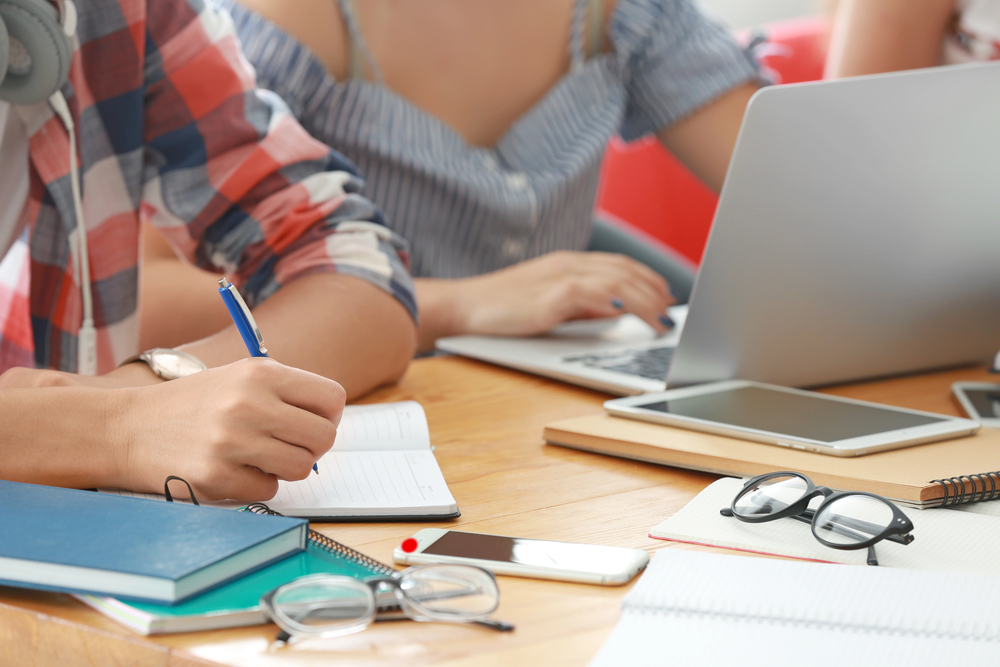
Many graduate programs no longer wait to introduce real-world applications. Students encounter practice-based learning early, often within their first courses. This early exposure changes how academic material lands. Concepts are understood through use rather than abstraction.
Assignments tied to workplace scenarios help students test ideas immediately. Reflection becomes more grounded because it connects to the current experience. This approach supports learning that feels relevant from the beginning and continues to build momentum as students progress through the program.
Professional Experience Entering the Classroom
Graduate classrooms now hold a wide range of professional stories. Students bring experiences from different organizations, roles, and career stages. This experience shapes discussion, case analysis, and group work in ways textbooks alone cannot.
Programs that acknowledge this create space for peer learning that feels organic. Students learn from each other’s challenges, approaches, and insights. Knowledge moves through the room in multiple directions. Academic material gains texture when filtered through real situations students are navigating right now.
Faculty as Guides
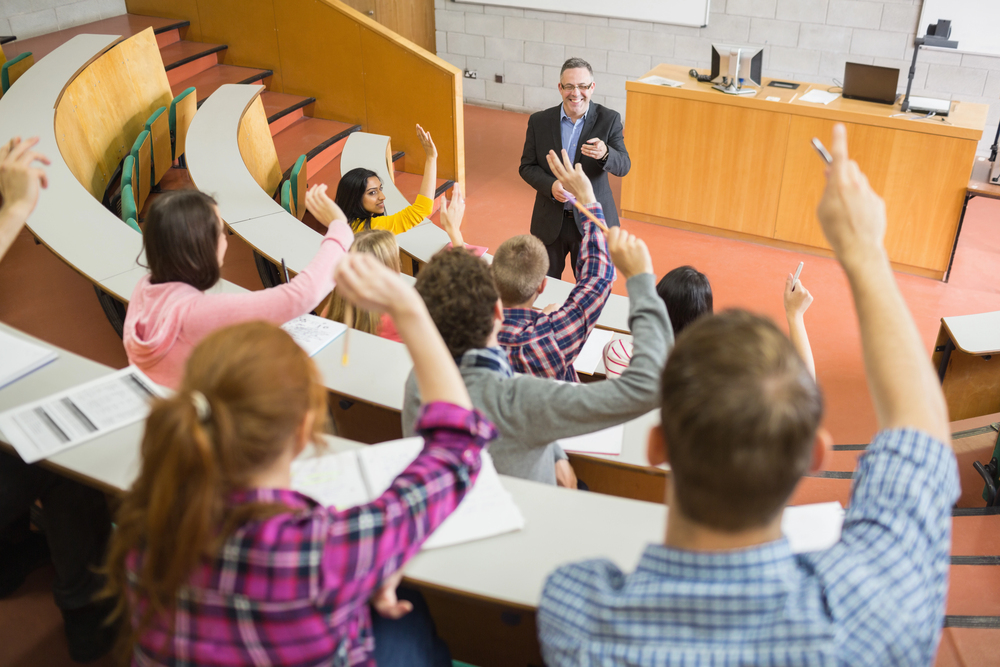
Faculty roles in graduate programs have taken on a different shape. Teaching often centers on guiding discussion, encouraging reflection, and helping students work through situations drawn from their professional lives. The classroom becomes a space for examining ideas in motion, shaped by what students are encountering in their workweek.
This approach supports learning that feels grounded. Faculty draw connections between theory and practice, ask questions that sharpen judgment, and help students think through decisions without offering ready-made answers. For many students, this kind of guidance feels more relevant than traditional instruction because it mirrors the complexity of real professional environments.
Flexible Ways of Learning
Graduate learning models now support participation beyond fixed schedules. Asynchronous coursework allows students to engage deeply with material during times that fit their lives. Readings, discussions, and assignments are structured to allow thoughtful engagement without requiring constant presence.
Students can absorb material at a pace that matches their responsibilities while maintaining academic depth. Learning becomes something that integrates into daily life rather than competing with it.

Digital Skills as a Baseline
Digital fluency has become an expected part of graduate education. Programs incorporate tools and platforms that reflect how work is actually done across fields. Students regularly engage with digital collaboration, research tools, and communication systems that mirror professional settings.
This exposure builds comfort and confidence. Students practice navigating digital environments as part of their learning process, developing skills that carry directly into their roles.
Learning That Responds to Career Transitions
A lot of people start graduate programs while something in their career is already changing. A new role, a different setting, more responsibility, or even uncertainty about what comes next: learning models are starting to acknowledge that reality instead of assuming students are standing still professionally. Education no longer has to wait for a transition to finish before it becomes useful.
Programs that work well during career transitions allow students to bring that uncertainty into the learning space. Coursework can connect to decisions students are actively making, questions they are trying to answer, and situations they are navigating in real time. A student moving into leadership might approach assignments differently than someone entering a new field. Learning becomes a way to process those shifts, not a separate track running alongside them.

Learning Models That Respect Time and Energy
Time is not the only thing graduate students are managing. Energy matters just as much. Many learning models are beginning to reflect that reality by focusing less on volume and more on purpose. Students are no longer expected to constantly produce or stay perpetually engaged to prove commitment. Instead, learning is designed around moments of real focus.
Programs that respect time and energy pay attention to pacing. Assignments feel intentional rather than repetitive. Readings connect clearly to outcomes. Students can tell why something matters, which makes it easier to invest effort without feeling drained. This kind of structure supports sustained learning rather than short bursts of productivity followed by exhaustion.
Growing a Professional Identity
Graduate learning now includes space for reflection on professional identity. Students consider how their roles are evolving, how responsibilities are shifting, and how values shape their work.
Through discussion and writing, students examine how learning influences their approach to practice. Identity development becomes part of the curriculum, allowing students to articulate who they are becoming in their field while actively working within it.

Learning With Peers
Graduate classrooms bring together students at different stages of their careers. Some arrive with years of experience, others with emerging roles. This mix creates opportunities for shared learning that extends beyond formal instruction.
Peer interaction allows students to learn through conversation, collaboration, and exposure to different perspectives. Practical insight flows naturally through these exchanges. Learning becomes collective, shaped by lived experience rather than isolated study.
Graduate learning models continue to evolve alongside workforce expectations. Education now reflects how professionals actually work, learn, and grow while managing real responsibilities. Programs that support flexibility, applied learning, and reflection create environments where graduate study feels relevant and sustainable.
Image Credit: depositphotos.com
