Whether you’re looking to protect sentimental family heirlooms, vital business documents, or high-value assets like jewellery and cash, a high-quality safe is one of the most important investments you’ll make for your security.
However, not all safes are created equal. The market in 2026 offers a dizzying array of options, from basic steel boxes to smart, app-connected vaults that send real-time alerts to your phone.
Choosing the right safe requires a balance between physical toughness and modern convenience. You need a solution that won’t just resist a determined burglar but will also protect your possessions from environmental disasters like fire or flooding. It’s a decision that impacts your peace of mind and your insurance eligibility. Read on to find out the six essential features that will help you select the perfect safe for your needs.
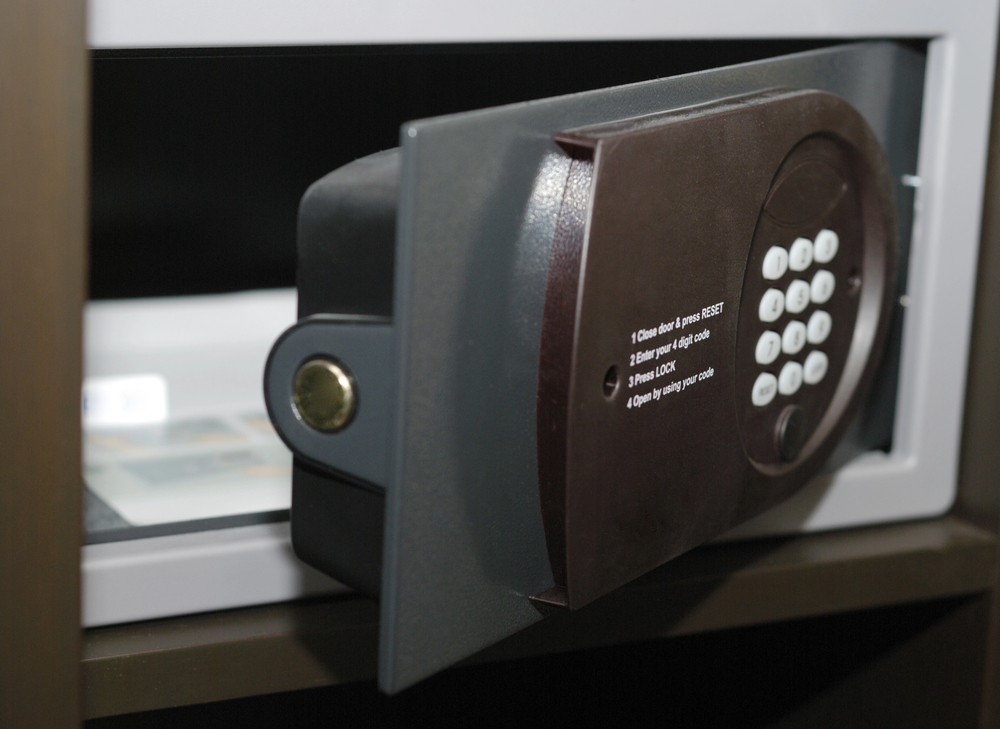
1. Build Quality and Construction
The first thing to consider is how the safe is built. Thickness of steel, reinforced doors, and solid welds all affect resistance to forced entry. Thin metal or poorly finished joins may look fine at first but often fail under pressure.
A well-built safe should feel heavy for its size and close with a firm, secure action. Quality safes are usually designed to meet recognised security standards, which adds reassurance that the construction has been tested properly.
2. Supplier Reputation
Who you buy from matters as much as what you buy. A trusted supplier is more likely to offer accurate advice, reliable products, and proper after sales support. This is especially important if you ever need replacement keys, lock servicing, or guidance on installation.
Established suppliers such as Fast Keys are known for supplying safes alongside a wide range of locks and security products. Their experience in the UK market helps buyers avoid unsuitable models and focus on proven options only.
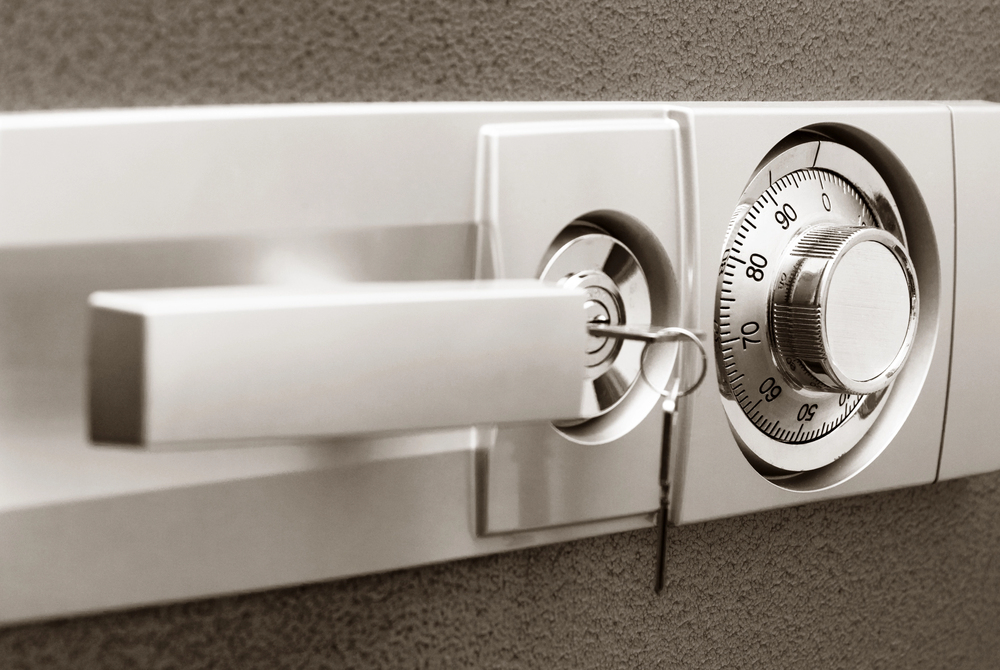
3. Locking Mechanism
Safes commonly use key locks, digital keypads, or combination systems. Each has advantages depending on how the safe will be used.
- Key locks are simple and familiar
- Digital locks allow quick access without carrying keys
- Mechanical combination locks avoid batteries altogether
What matters most is reliability. A locking system should operate smoothly, resist tampering, and suit the number of people who’ll need access. Complicated systems often cause frustration, not added security.
4. Fire and Heat Resistance
Some safes offer fire resistance, which helps protect documents and data during high temperatures. House fires remain a real risk, so this feature may be important if passports, certificates, or backups are stored inside.
Fire resistance is usually rated by time and temperature. Even basic protection may help reduce damage during short exposure. It’s worth checking ratings carefully rather than assuming all safes offer the same level of protection.
5. Size and Internal Layout
A safe should fit both the space available and the items being stored. Buying one that’s too small often leads to overcrowding, which increases wear and reduces ease of use. Too large, and it may be awkward to position securely.
Internal shelves, compartments, or key hooks can make a big difference. A practical layout helps keep contents organised and reduces unnecessary handling of sensitive items.
6. Installation and Fixing Options
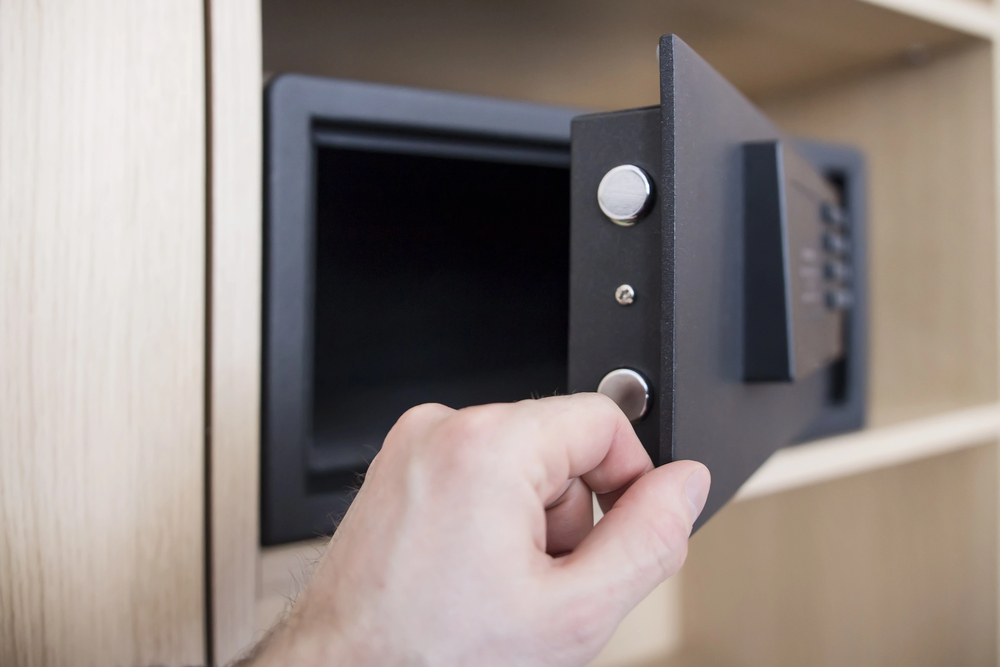
A safe is only effective if it’s properly installed. Many insurers expect safes to be bolted down to floors or walls to prevent removal. Fixing points should be strong and positioned to suit solid surfaces.
Ease of installation also matters. Clear instructions and suitable fixings reduce errors and ensure the safe performs as intended from day one.
Key Takeaways
Choosing a safe isn’t about chasing the strongest claim or the lowest price. It’s about balancing build quality, trusted supply, reliable locks, and proper installation to suit real needs.
Taking time to assess these features helps avoid replacements, repairs, or regret later. If you’re unsure, speaking with an experienced supplier can help narrow options and ensure the safe you choose genuinely protects what matters most.
Image Credit: depositphotos.com
