Interior shutters are one of those window features people recognise instantly, yet many are unsure how they actually work or which type suits their home. They combine structure, style, and practical control in a way curtains and standard blinds often do not.
If you’re weighing up your options and don’t know which direction you should take, read on to understand interior shutters and choose the option that fits your windows best.
Why Interior Shutters?
Interior shutters are solid window coverings fitted inside the window frame, usually made with adjustable louvres. These louvres tilt open or closed, letting you manage light, privacy, and airflow with precision. Suppliers such as Express Essex Blinds typically design shutters to sit neatly within the window rather than over it, which helps them feel like a fixed part of the room.
Unlike fabric options, shutters sit close to the glass and become part of the window itself. This structure helps explain why they’re often chosen for long-term use instead of seasonal updates. They’re especially popular in living rooms, bedrooms, bay windows, and properties where privacy and light balance matter throughout the day.
Shutters also offer consistent coverage. Instead of pulling material across a window, you adjust panels and louvres to suit changing light. This setup works well for homes facing busy streets or neighbouring properties, where control needs to change as daylight shifts.
Types of Interior Shutters
Now that we’ve looked at what interior shutters are and how they’re used, let’s learn about some common types that can help you make an informed decision.
Full Height Shutters
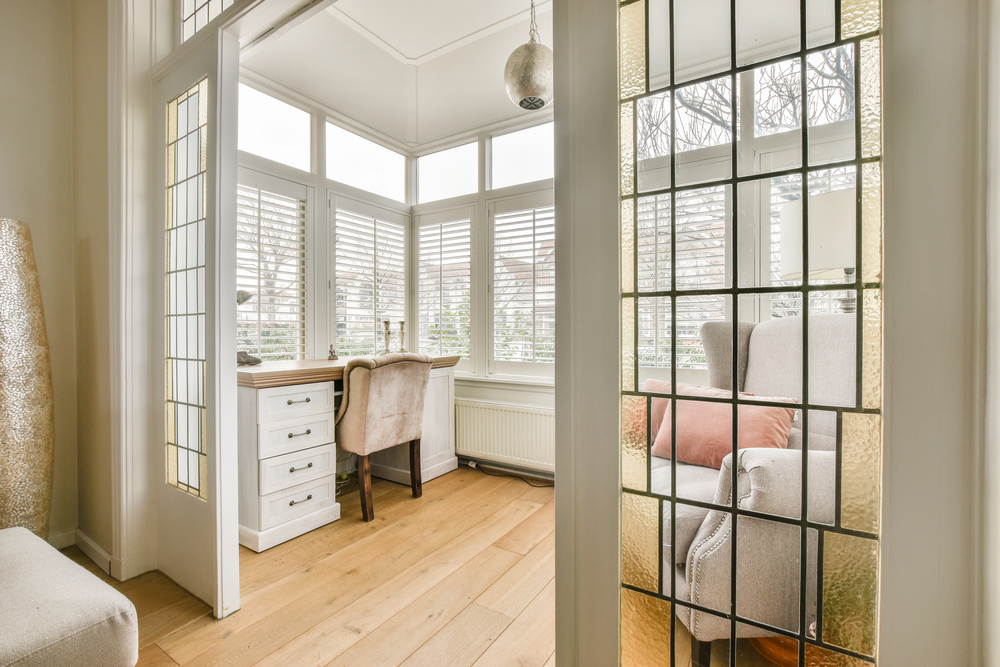
Full height shutters cover the entire window from top to bottom. They’re one of the most widely used styles because they suit a broad range of window shapes and room types.
These shutters work well in bedrooms and front facing rooms where privacy is needed at all times. By adjusting the louvres, you can soften daylight without fully blocking it. Many homes use full height shutters in taller sash windows because they keep proportions balanced and tidy.
They’re also a practical option for larger windows where consistency matters more than partial coverage.
Tier-on-Tier Shutters
Tier on tier shutters split the window into two independent sections, with panels at the top and bottom that open separately. This design gives you greater control during the day.
For example, you might open the top tier to let in light while keeping the lower tier closed for privacy. This layout suits street level rooms, dining spaces, and period homes where traditional styling matters.
Tier-on-tier shutters are slightly more complex, but they’re often chosen for how naturally they adapt to daily routines without constant adjustment.
Cafe-Style Shutters
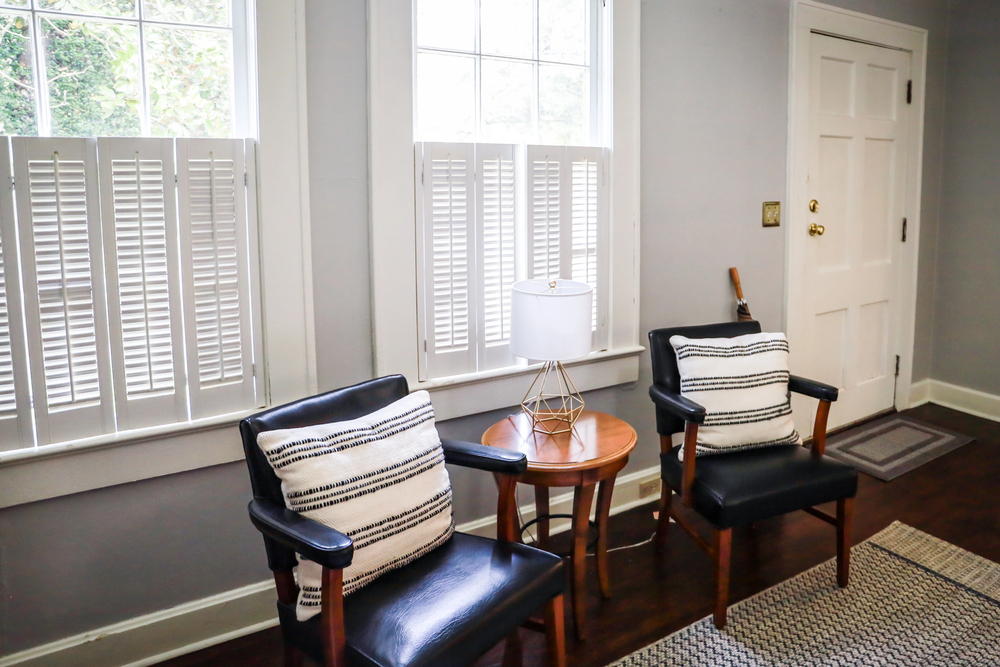
Cafe style shutters cover only the lower half of the window, leaving the top clear. They’re commonly used in kitchens, breakfast rooms, and dining areas where light is welcome but privacy is still needed.
This style works particularly well in terraced homes or properties that overlook pavements. You keep sightlines open while avoiding direct views into the room.
Cafe style shutters are less about blackout control and more about daytime comfort and openness.
In a Nutshell
While shutters are a larger initial investment than basic blinds, they’re built to last for decades. They add tangible value to your property and act as a permanent fixture that future buyers will appreciate.
By selecting the right style for your light requirements and the right material for your room’s humidity, you’ll create a window treatment that is as practical as it is beautiful. It’s a timeless addition to any home that combines traditional craftsmanship with modern living needs.
Image Credit: depositphotos.com
