
There is a noticeable change in how decisions feel once you have a family. Choices that might once have been made quickly or emotionally often take on a different tone. It is not that those decisions matter more than they did before, but that they now sit alongside responsibility, routine and the realities of everyday life.
For many parents, decision making becomes quieter and more considered. There is less urgency to get things exactly right and more focus on whether a choice will genuinely fit into the life they are living.
When Perspective Begins to Shift
Parenthood brings perspective in ways that are difficult to explain until you experience it. Time becomes more precious, energy more limited and priorities more clearly defined.
Decisions are no longer made in isolation. They are weighed against school runs, work commitments, family budgets and the emotional wellbeing of everyone involved. This naturally slows the process and often leads to more grounded choices.
That pause can be reassuring rather than restrictive.
Practicality Becomes a Form of Care
Practicality sometimes gets a bad reputation, as though it means settling or giving something up. In reality, for parents, it often reflects care.
Choosing options that last, that do not require constant attention or replacement, and that fit easily into daily routines can feel like a kindness to your future self. These choices reduce stress rather than adding to it.
Practical decisions tend to age well.
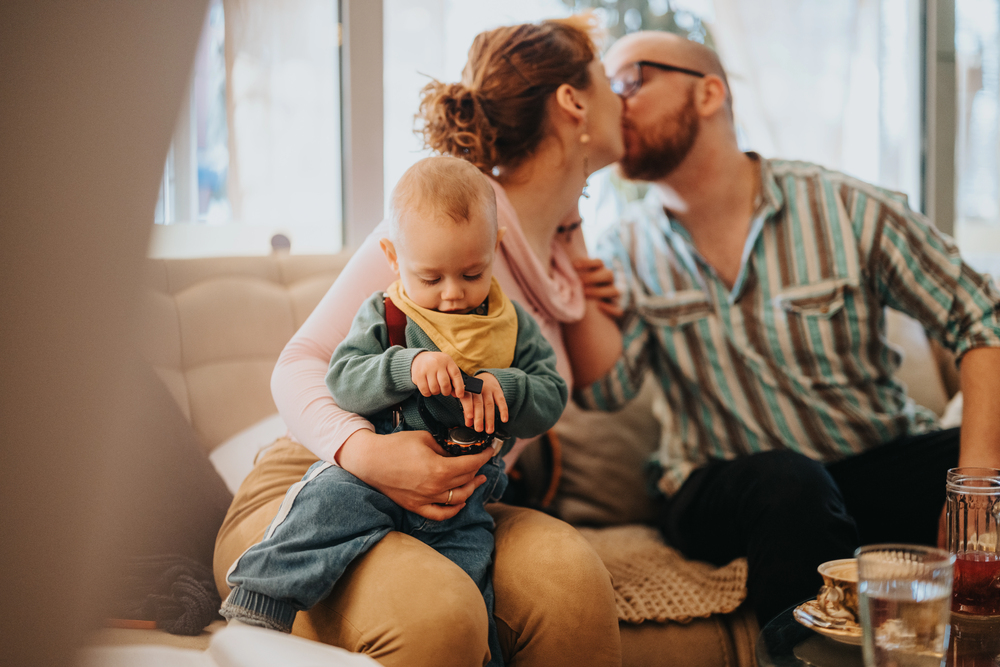
How Symbolic Choices Change Over Time
Some decisions carry symbolic meaning, which can add pressure. Parenthood often softens that pressure by reframing what really matters.
In conversations that touch on diamond rings, for example, the focus may shift away from appearance and expectation towards durability, comfort and suitability for everyday life. Rather than being about display, these choices become about meaning that fits quietly alongside family routines. This collection offers visual context for how contemporary designs can reflect that balance, allowing symbolism to exist without becoming overwhelming.
Perspective reshapes what feels important.
Budgeting With Confidence
Budgeting often becomes more intentional once children are involved. It is less about restriction and more about creating stability.
Knowing where money is going and why allows families to plan ahead and make decisions without second guessing themselves. Choices that align with financial reality tend to feel supportive rather than stressful.
Confidence grows when decisions are sustainable.
Reducing the Mental Load
Mental load is a constant companion in family life. The ongoing planning, remembering and coordinating can take its toll.
Decisions that simplify rather than complicate help lighten that load. Parents often value choices that do not require repeated attention or reassessment.
Less to manage means more space for what matters.

Letting Go of Comparison
Once family life settles in, comparison often loses its hold. There is simply less time and energy to worry about how choices appear to others.
Parents tend to focus more on what works for their household rather than external expectations. This shift can be freeing.
Authenticity replaces performance.
Familiarity Brings Comfort
In busy homes, familiarity can be comforting. Choices that integrate smoothly into daily life are often preferred over those that demand adjustment.
Over time, familiar decisions build trust. They become part of the background rather than something to manage or revisit.
Ease becomes valuable.
Flexibility Matters More Than Perfection
Family life is rarely predictable. Decisions that allow for flexibility tend to feel more resilient.
This does not mean avoiding commitment. It means recognising that circumstances change and allowing room for that change.
Flexible choices often last longer.

Teaching Values Through Everyday Decisions
Children learn far more from observation than explanation. Everyday decisions quietly communicate values around care, responsibility and thoughtfulness.
When parents prioritise longevity and practicality, those values are absorbed naturally.
Lessons are passed on without being spoken.
Choosing What Fits the Life You Have
One of the most significant shifts parenthood brings is acceptance of the life you are actually living. Decisions made for real routines tend to feel more satisfying than those made for idealised scenarios.
Choices that fit real life reduce friction and increase ease.
Alignment brings calm.
Living With Decisions Rather Than Revisiting Them
Constantly revisiting decisions can be draining. Many parents find peace in committing and moving forward.
Living with a choice allows it to become part of daily life rather than a source of ongoing debate.
Meaning develops through familiarity.
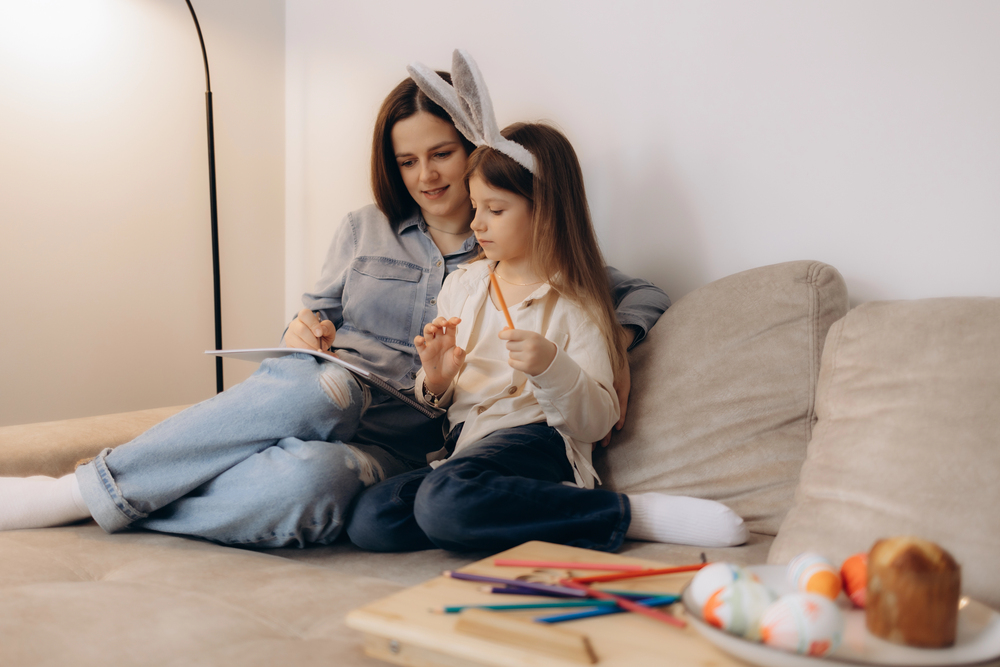
When Decisions Feel Settled
There is a particular sense of calm that comes from a decision that feels settled. It does not demand explanation or defence.
It works quietly in the background.
That sense of fit is often the clearest sign of a good choice.
Redefining What Thoughtful Means
Thoughtfulness does not always involve complexity. Often, it means awareness of limits and priorities.
For families, thoughtful decisions are those that support daily life rather than complicate it.
In that sense, thoughtfulness becomes practical.
Confidence Built Over Time
Experience shapes decision making more than advice ever could. Over time, parents learn what matters most to their family.
This confidence shortens the decision process and reduces uncertainty.
Choices become clearer with experience.

Making Peace With Imperfection
No decision is perfect. Parenthood brings acceptance of that reality. What matters is choosing with care, adjusting when needed and moving forward without unnecessary self-criticism. Peace comes from intention, not perfection.
Image Credit: depositphotos.com
