
A warm and inviting atmosphere in your home offers comfort and well-being during the colder months. A cozy room temperature can improve relaxation, sleep quality, and even your mood. Achieving that perfect balance within your indoor environment requires an understanding of insulation, heating sources, and personal preferences.
Read on to explore effective tips to maintain an optimal room temperature so that your space remains a space of warmth and comfort.
Select the Right Heating System
The appropriate heating system can achieve and maintain a cozy room temperature. Options vary based on home size, layout, and personal preferences. Central heating systems, space heaters, radiator systems, and underfloor heating are common choices to explore.
Each heating type has its advantages and limitations. Central heating is efficient for larger homes, but requires ducts that can lose heat. Space heaters are great for heating individual rooms, but may not be suitable for maintaining an even temperature throughout a larger area.
When evaluating heating solutions, consider energy efficiency ratings and potential long-term costs. Consult with a professional to explore options best suited for your home, as they can provide insights into how to maximize effectiveness and comfort.

Maintain Your Heating System
Regular maintenance of your heating system is vital for consistent performance and efficient operation. Seasonal checkups can help identify potential issues and resolve them before they escalate. Schedule inspections with heating professionals so that your system is functioning optimally.
During maintenance, technicians can clean filters, inspect ducts, and evaluate system performance. If you notice any unusual noises or inconsistent heating, it’s time to consider professional assistance. For instances where repairs are necessary, seek professionals like heating repair in Grand Rapids or reliable ones in your location. Addressing minor problems early can save you from more costly repairs.
Check Your Home’s Insulation
Insulation is what maintains a comfortable room temperature. Proper insulation reduces energy loss, keeping your space warm in winter and cool in summer. Check the attics, basements, and walls for gaps or deterioration in insulation. If you notice issues, invest in upgrades to improve energy efficiency.
Modern insulation materials are designed to provide excellent thermal resistance. Many homes still utilize outdated insulation methods that allow cold drafts to creep in, negatively affecting the room temperature. A simple assessment can help identify whether your home’s insulation is adequate.
With proper insulation, you can create a barrier that retains heat, making it easier for your heating system to maintain a consistent temperature. Improved insulation will improve comfort and lower energy bills, as your heating system won’t have to work as hard.

Optimize Thermostat Settings
Your thermostat influences room temperature and can guide energy consumption patterns. Consider investing in a smart thermostat that adjusts settings based on your routine, maximizing comfort while minimizing energy usage. These devices allow you to set different temperatures for various times of the day.
A programmed schedule guarantees that heating operates only when necessary, conserving energy and costs. If no one is home during the day, lower the temperature to save on heating bills, and resume comfort levels just before returning home. Many smart thermostats can be controlled remotely and give you complete flexibility. When you optimize your thermostat settings, you will improve comfort and contribute to energy savings.
Utilize Ceiling Fans Effectively
Ceiling fans serve a dual purpose in regulating indoor temperatures throughout the year. In colder months, reversing the direction of your ceiling fan can distribute warm air that rises to the ceiling back down into the living space. During summer, ceiling fans promote air circulation and contribute to a cooler environment.
When integrating ceiling fans into your temperature control strategy, use them in conjunction with other heating or cooling methods. Properly positioned fans can lower energy costs while maintaining a cozy environment throughout the seasons. Choosing the appropriate speed setting can achieve the best results.

Seal Drafts and Leaks
Drafts and leaks around windows and doors are common culprits for temperature fluctuations in your home. Identifying and sealing these gaps maintains a consistent indoor temperature and energy efficiency. Regularly inspect areas like window seals, door frames, and even electrical outlets.
A simple weather stripping or caulk can effectively eliminate these drafts. For larger gaps, consider professional assistance to install insulation products that will address specific issues. Conducting this small maintenance task can lead to noticeable improvements in your home’s warmth during winter.
Installing heavy curtains can act as an additional barrier. Closing these during colder months traps warmth inside and reduces heat loss at night. A combination of these tactics can help your indoor space remain consistently cozy.
Incorporate Area Rugs and Textiles
The materials present in your home can impact the comfort and warmth of each room. Area rugs, textiles, and upholstered furnishings contribute to your space’s ambiance and have a practical function. Add rugs in rooms with hard flooring surfaces for an added layer of warmth.
Textiles, including curtains, can contribute positively to maintaining a cozy room temperature. Heavy drapes block drafts when drawn and retain heat when closed during cold nights. Lightweight curtains can allow sunlight to warm up the space during the day.
The colors and textures you choose can affect your mood and perception. Opting for warmer tones and plush fabrics creates an inviting atmosphere, which improves comfort in your living areas. Investing in quality textiles will elevate your home’s aesthetic and assist in maintaining a pleasant indoor climate.
Personal Preferences Matter
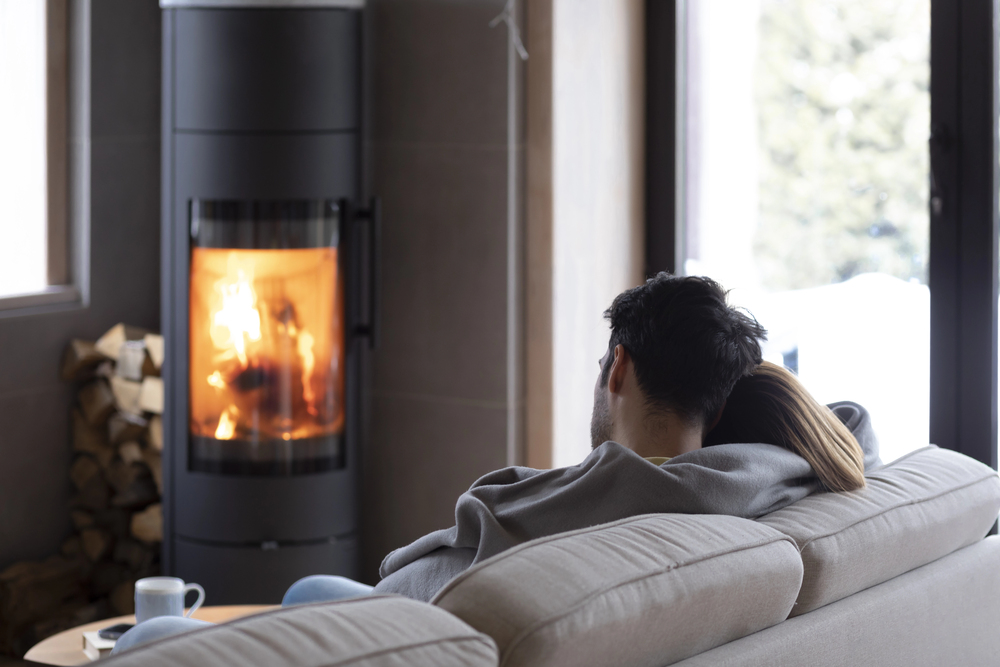
What feels cozy for one person might be too warm or too cold for another, reflecting the need for flexibility within your living space. Pay attention to your family’s reactions and preferences and make adjustments accordingly.
Using zone heating is an excellent way to cater to individual comfort preferences. If you segment heating for specific areas or room types, you can maintain varied temperatures throughout different spaces in your home.
Finding the perfect room temperature balance can address insulation, select the right systems, and pay attention to personal preferences. With these practical tips, you transform your house into a warm space, regardless of outdoor conditions.
Image Credit: depositphotos.com
